Health and Safety Policy for Carpet Cleaners SW13
 This health and safety policy sets out the standards and working practices expected from carpet cleaners in SW13 and from anyone carrying out related cleaning services. The purpose of the policy is to protect staff, clients, visitors, and property by reducing avoidable risks during carpet and upholstery cleaning tasks. It applies to routine domestic work, scheduled maintenance cleaning, stain treatment, and any service involving equipment, cleaning solutions, or manual handling.
Our commitment is to create a safe working environment through sensible planning, careful supervision, and the use of appropriate equipment. Safety comes before speed, and no task should be carried out if conditions are unsafe. Every cleaner must follow safe procedures, wear suitable personal protective equipment where needed, and report hazards immediately. This applies to both new and experienced members of staff.
 All carpet cleaning operations must begin with a visual risk assessment. The cleaner should look for trip hazards, unstable furniture, wet floors, damaged electrical sockets, poor ventilation, pets, children, or signs of contamination such as mould, bodily fluids, or heavy soiling. If a risk cannot be controlled, the work must be postponed or adapted. A careful assessment helps prevent accidents and supports professional standards.
Safe Working Practices
Before starting any job, equipment should be checked for damage, cleanliness, and safe operation. Electrical machines must have sound cables, plugs, and switches, and portable equipment should be used only in dry conditions unless designed otherwise. Cleaning agents must be stored correctly, labelled clearly, and handled according to instructions. Carpet cleaners SW13 should never mix chemicals unless the manufacturer confirms it is safe to do so.
Personal protective equipment may include gloves, non-slip footwear, eye protection, or masks, depending on the task. Cleaners must use correct lifting techniques when moving equipment, furniture, or water containers. Where possible, heavier items should be moved with assistance or left in place. Safe posture and controlled movements reduce strain injuries, especially during repeated work over long periods.
 Wet cleaning creates slip hazards, so floors must be managed carefully throughout the job. Warning signs should be used where appropriate, and access routes should be kept clear. Areas should not be left excessively wet, and drying processes should be explained clearly to those using the property. Good ventilation is important because it helps surfaces dry faster and reduces exposure to fumes from cleaning products.
Risk Control and Staff Responsibilities
All staff have a responsibility to act safely, follow instructions, and raise concerns. Supervisors should ensure that cleaners receive suitable training in machine use, stain treatment, chemical handling, and emergency procedures. Training should be refreshed when new equipment or products are introduced. A culture of awareness supports safer carpet cleaning services and reduces the likelihood of repeated mistakes.
Where spillages or contamination occur, the affected area must be isolated and cleaned using the correct method. Blood, bodily fluids, mould, and other hazardous materials require particular care and may need specialist cleaning procedures. No cleaner should continue work if there is uncertainty about the substance involved. In such cases, the safer option is to stop and seek proper guidance before proceeding.
Emergency preparedness is also essential. Staff should know what to do in case of electric shock, chemical exposure, fire, injury, or a fall. First aid materials should be available, and incidents must be recorded and reviewed so that lessons can be learned. Health and safety for carpet cleaners depends on quick response, clear reporting, and a willingness to improve working methods when risks are identified.
Equipment, Cleaning Products, and Environmental Care
Only approved products should be used for each surface, and all dilution instructions must be followed carefully. Overuse of chemical products can damage carpets, irritate skin, and leave residues that may affect indoor air quality. Where possible, cleaners should choose products that are effective yet controlled in strength, supporting both safety and responsible use. Containers should remain closed when not in use to prevent leaks and contamination.
Maintenance of machines is part of the safety policy. Filters, hoses, brushes, and tanks should be cleaned and inspected regularly to keep equipment working correctly. Faulty machinery must be removed from service until repaired. Clean tools not only perform better but also reduce the chances of cross-contamination between jobs. Good maintenance is a practical safeguard for anyone providing professional carpet cleaning.
 Waste water and removed debris must be disposed of responsibly. Spilled liquids, used cloths, and contaminated materials should be contained and handled in line with safe disposal practices. Where environmental impact is relevant, cleaners should minimise waste and avoid unnecessary product use. Responsible cleaning supports both safety and sustainability, while also helping maintain a tidy and controlled work area.
Monitoring and Review
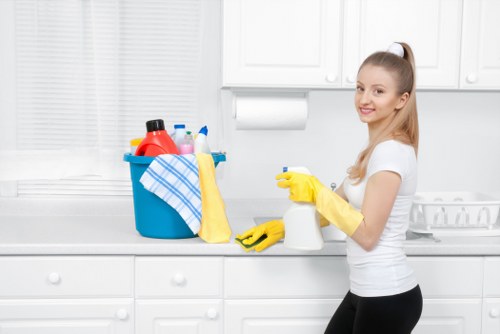 This policy will be reviewed regularly to ensure it remains suitable, effective, and aligned with current best practice. Reviews should take account of incidents, near misses, customer environments, equipment changes, and staff feedback recorded through formal safety processes rather than informal opinions. Adjustments should be made whenever a risk is identified or a safer method becomes available.
Everyone involved in carpet cleaning in SW13 is expected to support this policy by working carefully, reporting hazards, and respecting safe systems of work. By maintaining high standards in preparation, training, and supervision, the business can protect people, preserve property, and deliver reliable cleaning services in a safe and responsible manner.